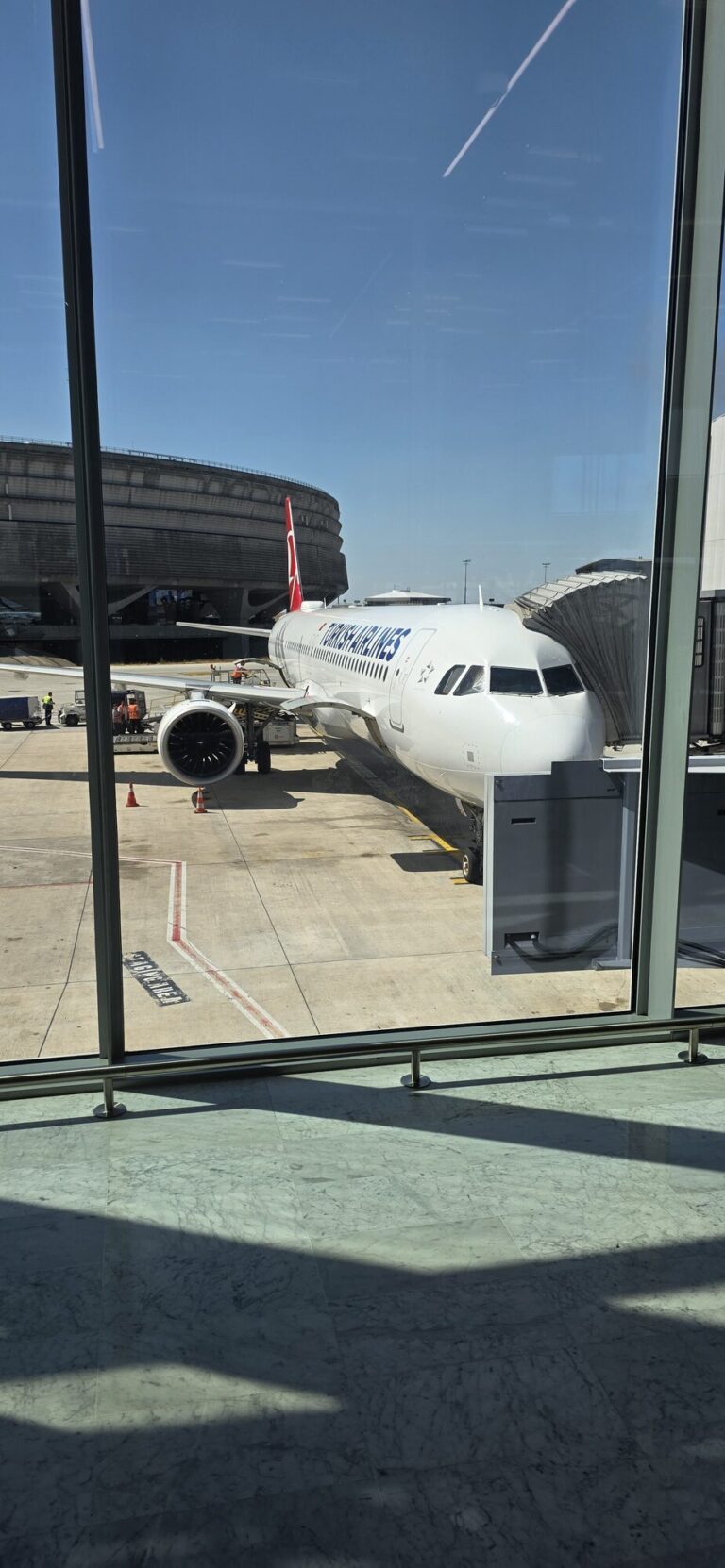
Homeward, the Long Way
Six weeks, four countries, one full camera. The gate at Charles de Gaulle, a plane pointed at Istanbul, and the long hop home to the studio. Last post from the road.

A rest day, I said. So the alarm went off before six and I was on the early train out of Colico with a camera, a sketchbook I never opened, and no regrets at all. The plan: train to Tirano, then the little red Bernina train up and over the Alps to Morteratsch, where a glacier walk has been on my list since this whole trip was still a spreadsheet.
The Bernina line is a UNESCO listed piece of railway showing off. It leaves Tirano among vineyards and palm trees, and about two hours later it is easing past glacier lakes at 2,253 metres, the highest rail crossing in the Alps… and it does the entire climb on plain wheels. No cogs. Just grip, patience and Swiss nerve. At the top the world turns white and turquoise. Lago Bianco lies along the pass like spilt milk paint.
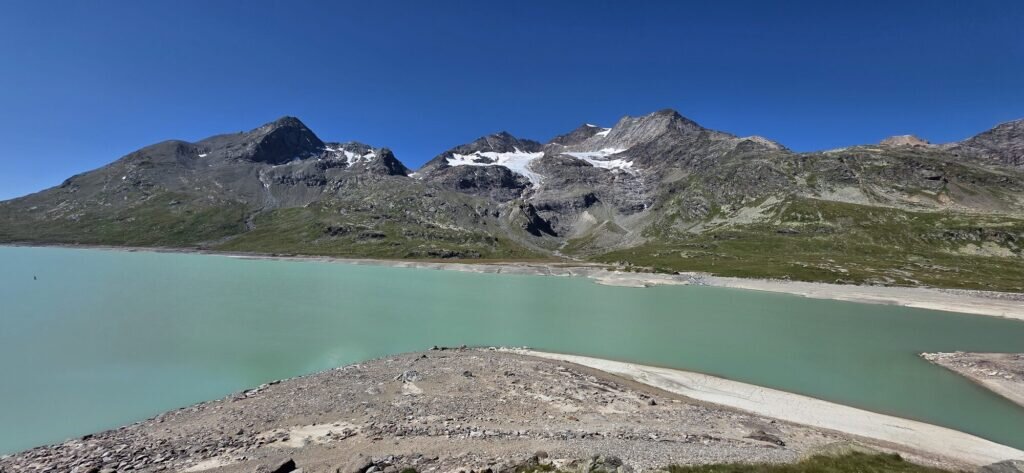
From Morteratsch station a flat, friendly trail wanders up the valley toward the ice, under Piz Bernina, which at 4,049 metres is the only four thousand metre peak in the Eastern Alps. And here is the part that got me. The path is marked with year posts. The first ones stand almost at the station, and every marker shows where the front of the glacier stood in that year. Since measuring began in 1878 the ice has pulled back around two and a half kilometres. You are not walking to a glacier. You are walking through where it used to be.
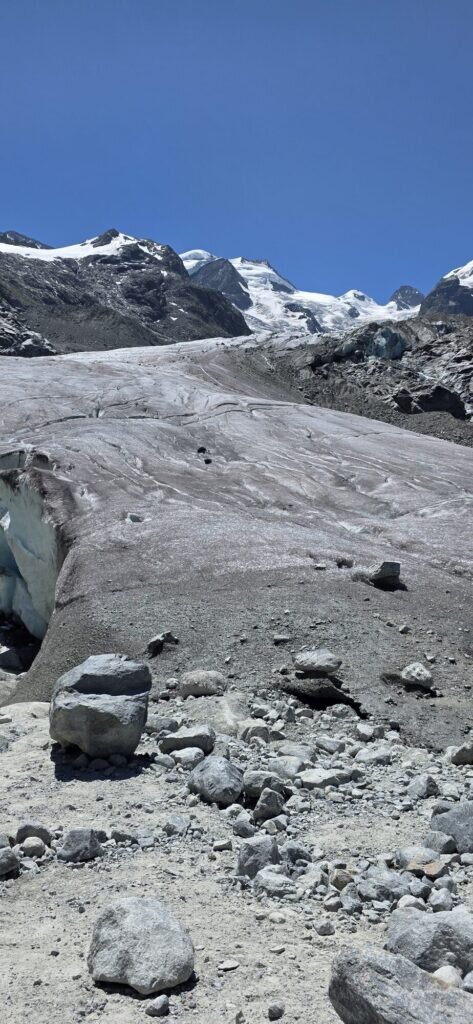
I have spent all week at the lake chasing movement in water, and this was the same subject on a different clock. A glacier is water that moves too slowly to watch and too powerfully to argue with. The old animator in me kept trying to time it… a walk cycle at one frame per decade. And this is painter country too. Giovanni Segantini came up to the Engadine for this light and never really left. He died in 1899 in a hut on the Schafberg, just above Pontresina, aged 41, still working on the Nature panel of his great Alpine triptych. The mountains here have form. They keep artists.
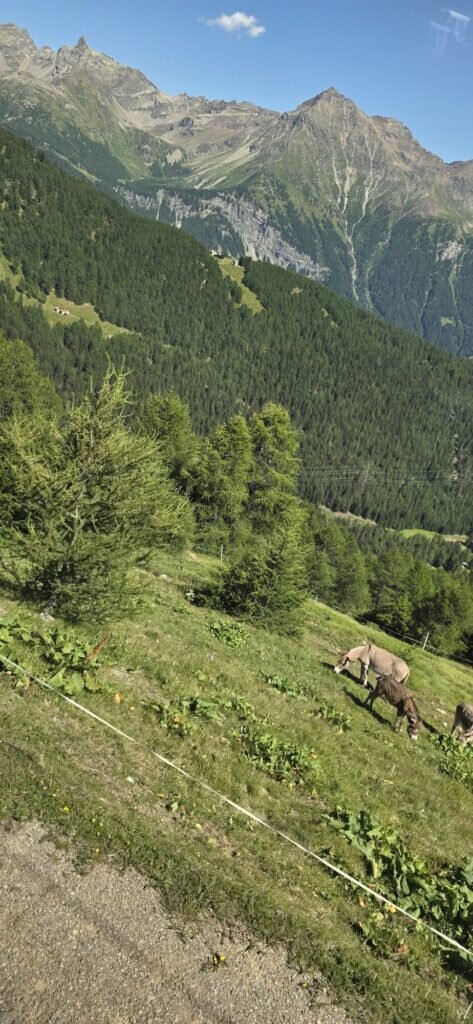
The train home paused at Alp Grüm, a station you can only reach by rail or on foot, with the Palü glacier and its waterfalls hanging in the window like a stage set. On the slope below, two donkeys grazed the edge of the drop as if the view was entirely wasted on them. I took more photos of the donkeys than the glacier. Of course I did!
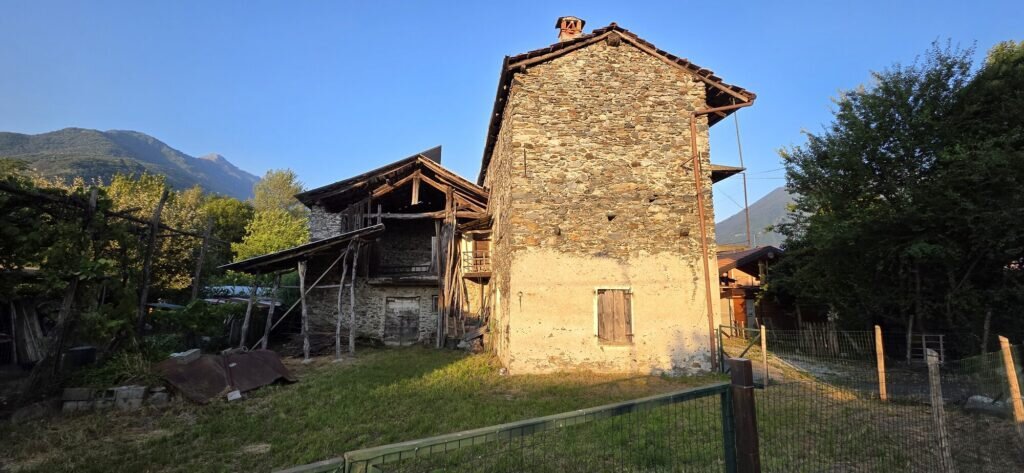
By evening I was back down at the lake and the village turned on the gold. The old stone barns along the lane catch the last sun like they have been practising for a few hundred years, and the neighbour’s chickens were out doing their evening rounds. Not one drawing happened today. Some days the job is filling the tank, and the tank is full to the brim.
Tomorrow the bags get packed for the water city. The lake week is done, the reference library is bursting, and Venice is waiting… more from the road soon.
Six weeks, four countries, one full camera. The gate at Charles de Gaulle, a plane pointed at Istanbul, and the long hop home to the studio. Last post from the road.
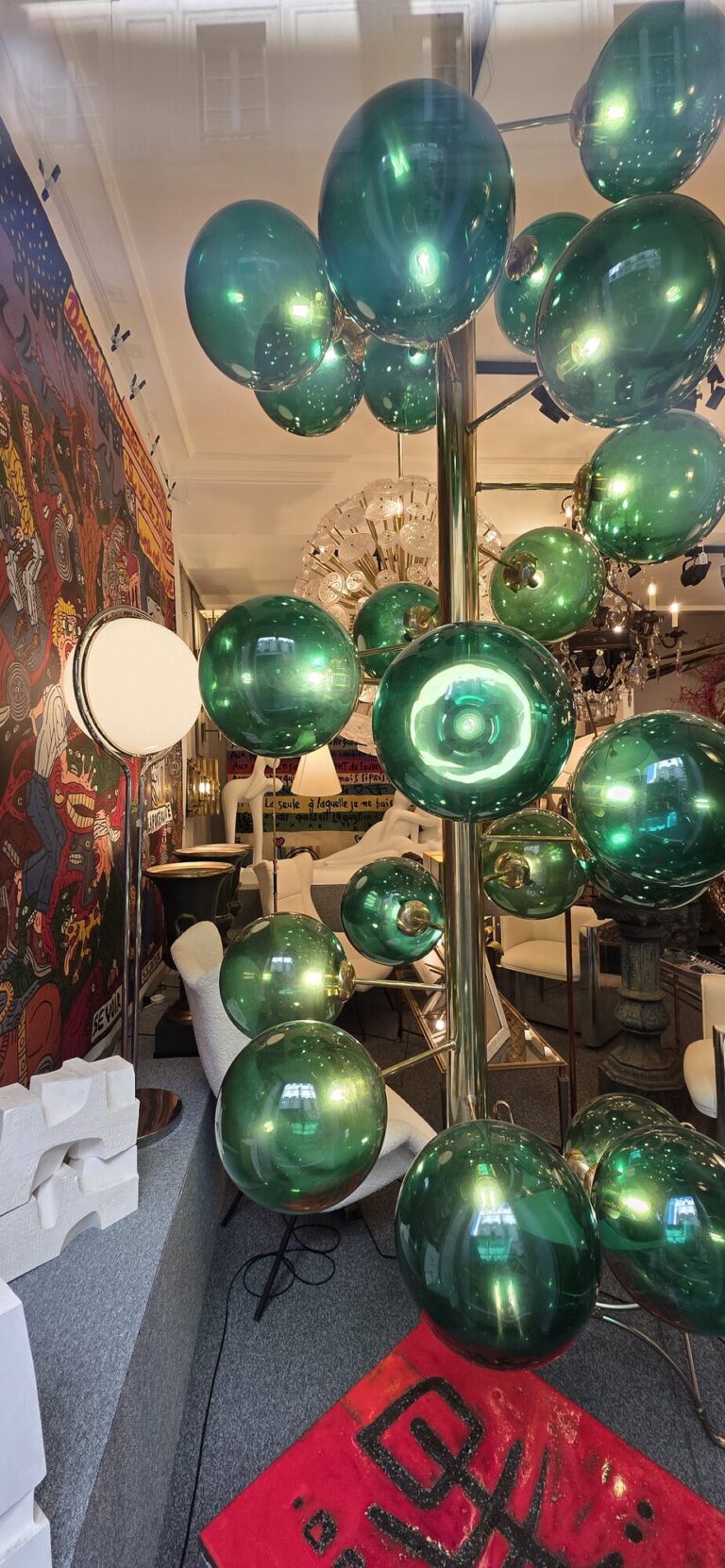
Monday’s list said one word: Sennelier. The paint shop on the quay that has been serving artists since 1887. On the way there the Left Bank gave me green glass bubbles, a wall of steel cyclists, and an entire film crew in the Palais-Royal.
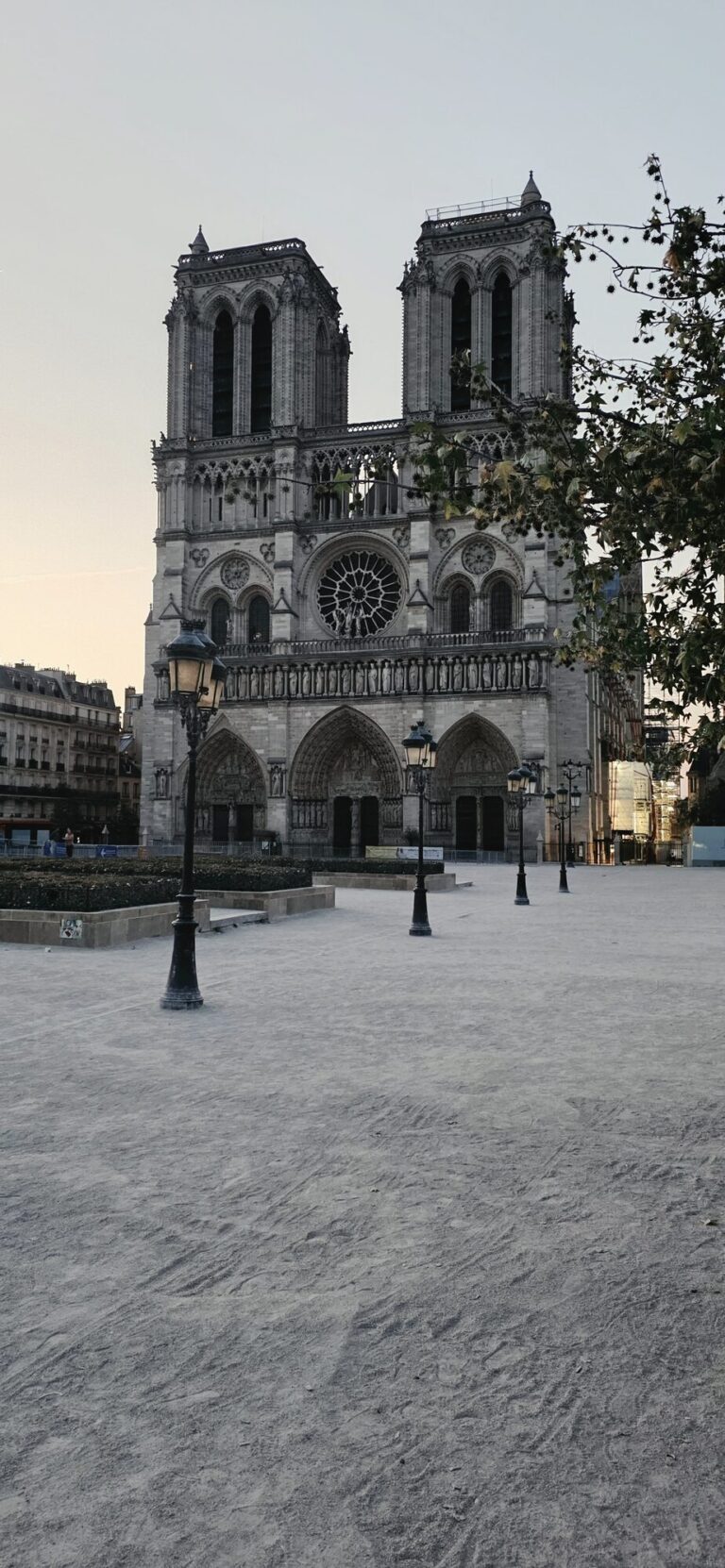
Last full day in Paris, so I got up before Paris did. Notre-Dame at six in the morning, an empty square, and the discovery that I was not actually first. The locals were already doing their rounds.