
Drawing Koalas, Now That They Are Endangered
Ink drawings of koalas made by hand in Dayboro. What changed after the 2022 endangered listing, the one that sold, and what is still on the wall.

I gave you the Arsenale and the art inside it. I did not give you the forty minutes it took to walk there, which is where I actually found the thing I keep thinking about.
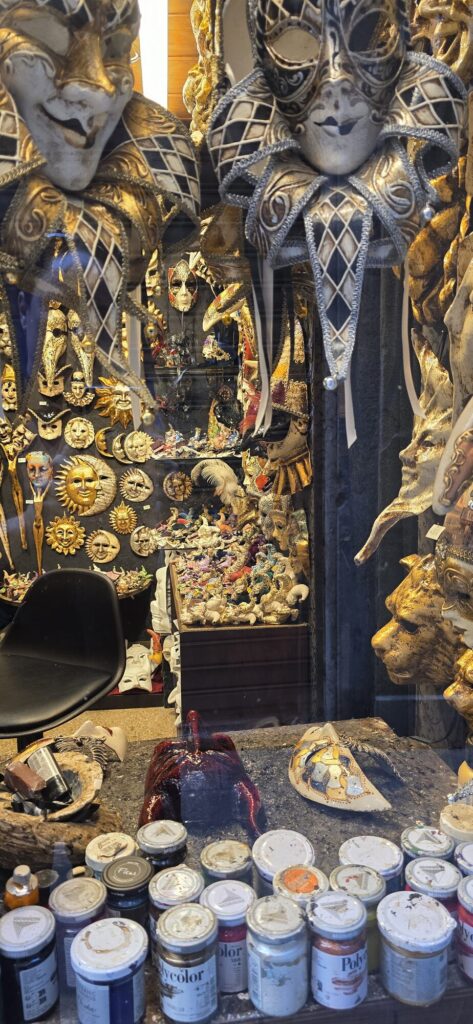
Every third shop in this city sells masks and most of them are rubbish shipped in by the crate. This one is not, and you can tell in one second, because of what is sitting on the bench in the foreground.
Count the pots. Forty odd tubs of acrylic, all open, all with the lids sitting off beside them, brushes going soft in half of them. Polycolor, which is ordinary stuff you can buy anywhere. There is a chair pulled up. There is a half painted piece lying on its side. Somebody got up from that bench about ten minutes before I walked past.
The mascareri have been an official trade here since 1436, when they were given their own statute and put under the same rules as the painters. Apprentices, masters, what you were allowed to make and sell. Papier mâché then, papier mâché now.
And a document in the Correr lists eleven registered mask makers between 1530 and 1600, one of whom was a woman called Barbara Scharpetta. Five hundred years ago, in a guild, with her name written down. I have thought about her all afternoon.
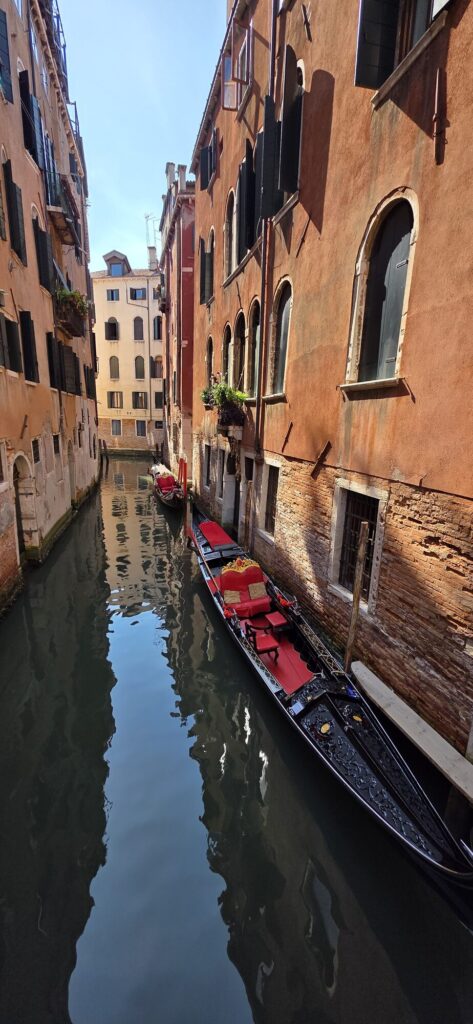
Then round a corner and the postcard, except empty. A side canal, one gondola tied up with its red seats and brass showing, and the whole street repeated upside down in the water.
The reflection is the better half and it always is. Up top you get brick and shutters and a downpipe. Down below you get the same information with all the detail taken out, just blocks of ochre and rust and one black shape. That is what I am trying to do when I squint at something before I draw it, and the canal does it for free.
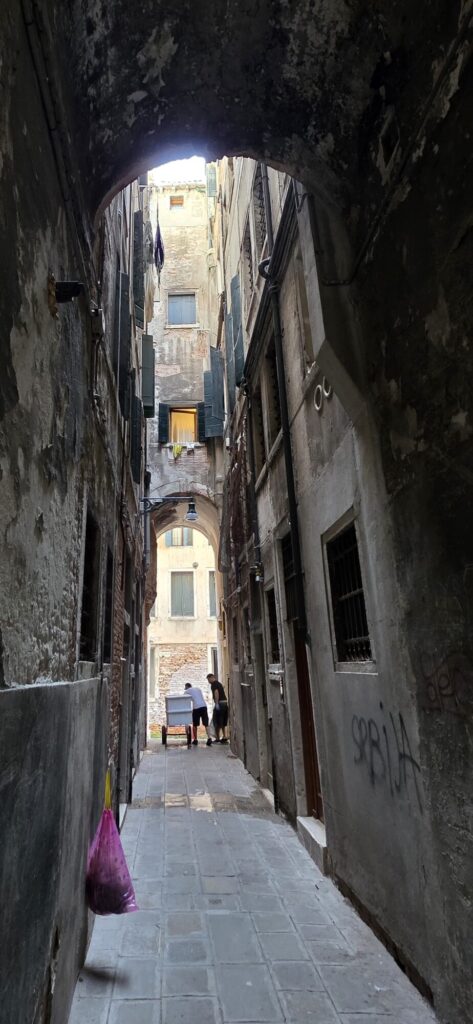
And this is how you get anywhere. Arms out and you touch both walls. Stains up the render, an arch overhead, washing out on a line above your head, somebody’s shopping bag hooked on a nail, and a rectangle of light at the end where the street opens up.
Every one of these is a lesson in one thing, which is what you do with the dark. Nearly this whole frame is in shadow and there is no detail in most of it and it does not matter at all, because the eye goes straight down the tunnel to the bright bit and never asks what it walked past.
Forty minutes of that on the way to see the art. Some of the best of it was outside.
Ink drawings of koalas made by hand in Dayboro. What changed after the 2022 endangered listing, the one that sold, and what is still on the wall.

They come through the gums before a storm and the whole paddock hears them first. Four birds, one flash of red, and the hardest thing I have ever tried to put down in ink.
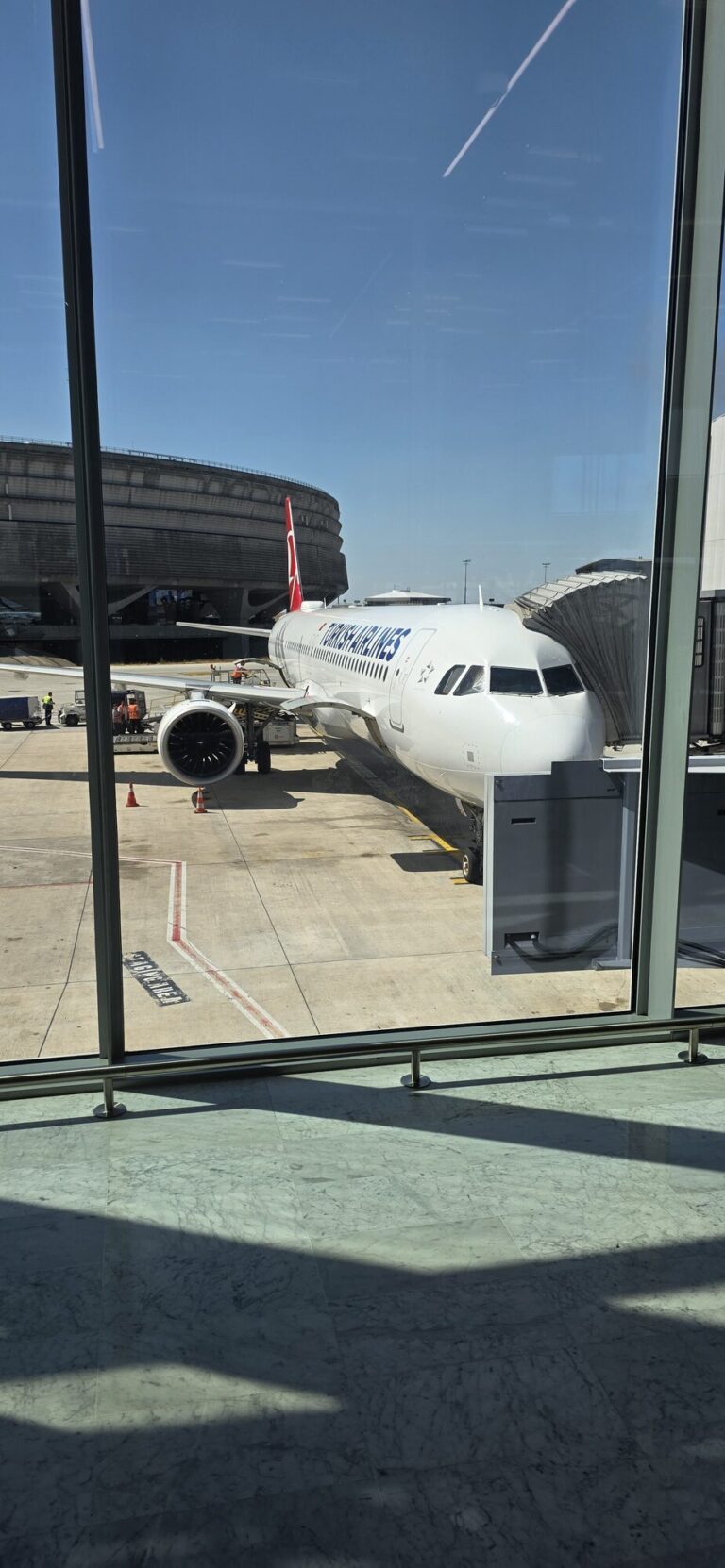
Six weeks, four countries, one full camera. The gate at Charles de Gaulle, a plane pointed at Istanbul, and the long hop home to the studio. Last post from the road.