
Drawing Koalas, Now That They Are Endangered
Ink drawings of koalas made by hand in Dayboro. What changed after the 2022 endangered listing, the one that sold, and what is still on the wall.

Tuesday afternoon, and I went shopping. Not the good kind. The kind where you buy almost nothing and photograph every price tag in the place like a woman casing the joint.
Rue Carnot was on my list before I left Australia, written down as gallery-hire scouting, which sounds very grand for walking up a street working out what a room costs and what it has to sell to be worth it. The first shop I went into had a wall of little people made out of river stones.
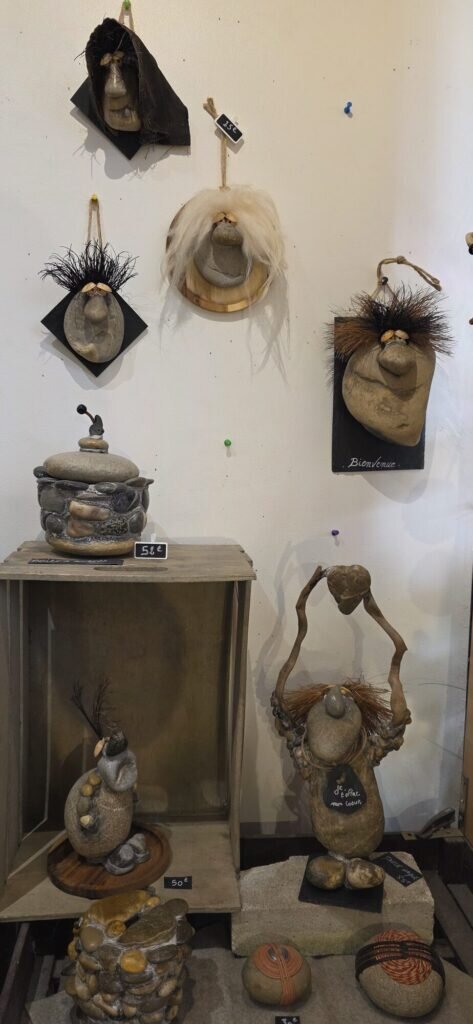
Stones off the riverbed, a bit of raffia for hair, two beads for a nose, screwed onto an offcut of slate. That is it. And they are wonderful, and every one has a little chalkboard tag on a bit of string. You can see exactly what the material cost and exactly what the hand is worth, and the second number is far bigger than the first, which is the whole business in one sentence.
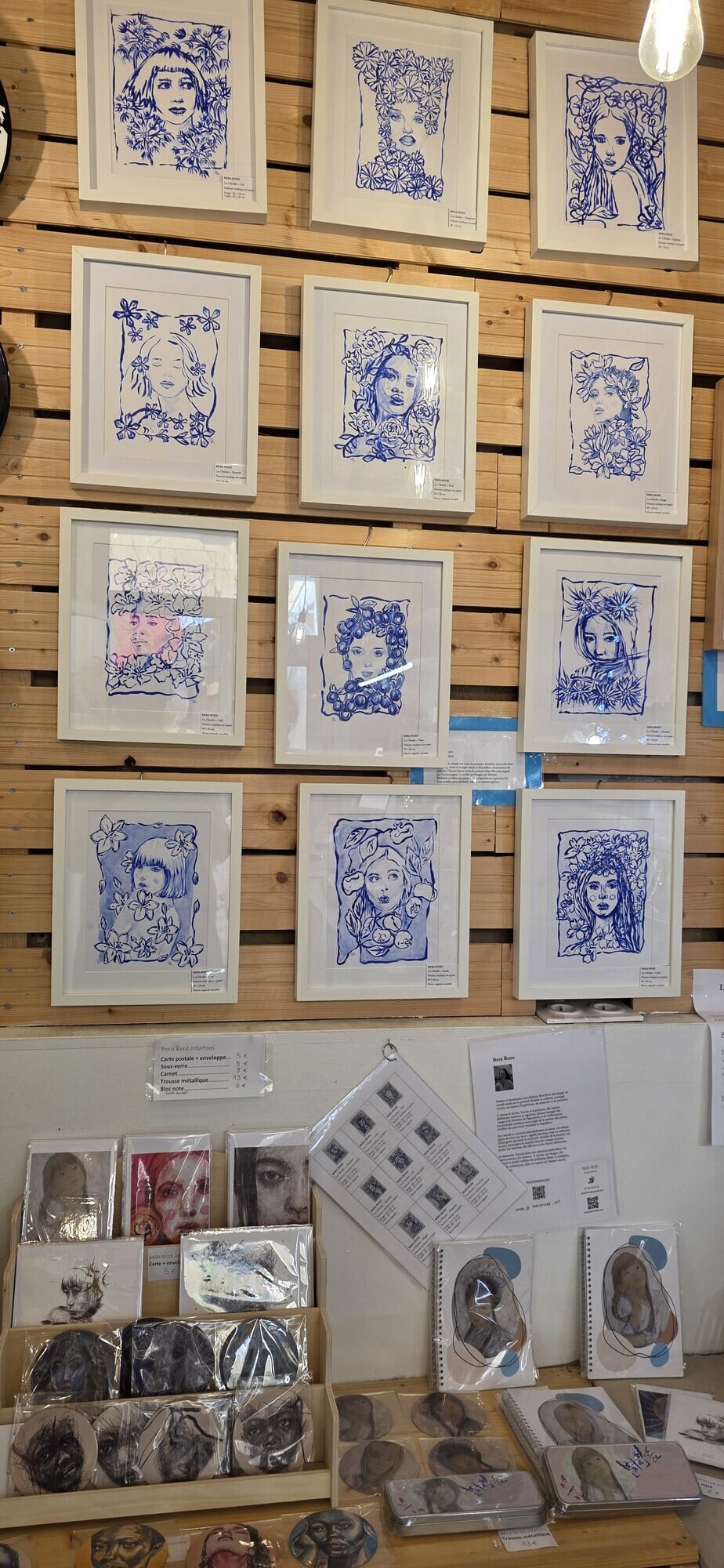
Then I turned around and there was this. Twelve blue ink portraits, faces coming up out of flowers, framed and labelled and hung at eye level. Her card says she is self taught, that she works in series, that she is after faces on the edge of appearing and disappearing. You can see it. They look like they are surfacing.
But look at the bottom of that photo, because that is the bit I stood staring at. Postcard and envelope, five euros. Coaster, five. Notebook, nine. Metal pouch, thirteen. Notepad, six. Originals in frames above at twenty four by eighteen centimetres, the same face on a coaster below for the price of a sandwich. One artist, one set of drawings, six different ways in at six different prices. I have been doing one of those six.
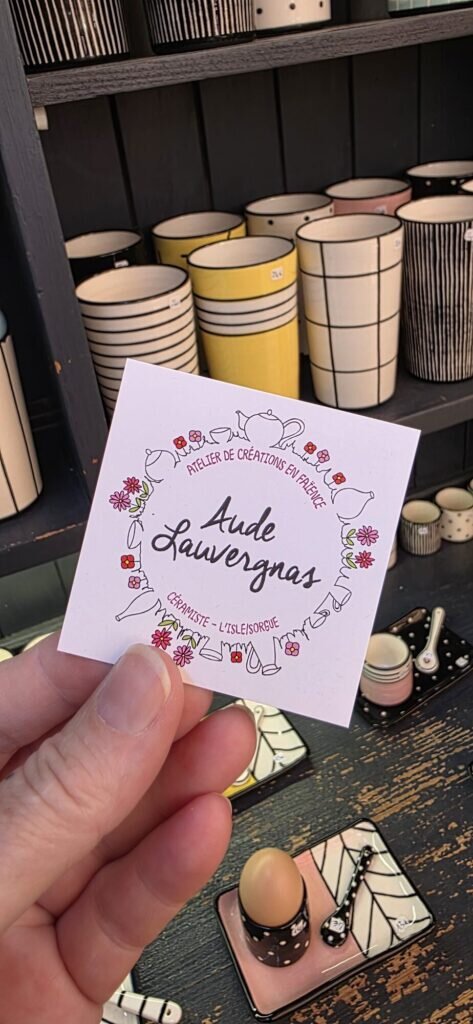
Another card, another maker. Aude Lauvergnas, faience, based right here in the town. Her card has her own teapots and jugs drawn all the way round the edge in a ring, which tells you something about a person before you have read a word of it. Behind my hand, beakers in stripes and grids and one very good yellow.
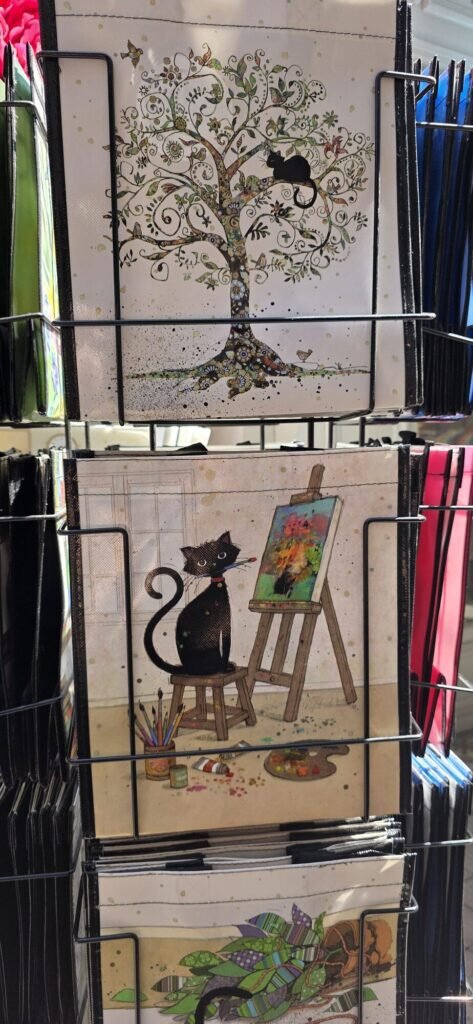
And then a card rack stopped me dead. A cat, sitting on a stool at an easel, brush gripped in its teeth, paint everywhere, tail up in a question mark. Whoever drew that got the tail right, and the tail is the only thing in the drawing doing any acting. Old animator brain, straight up out of its chair, delighted.
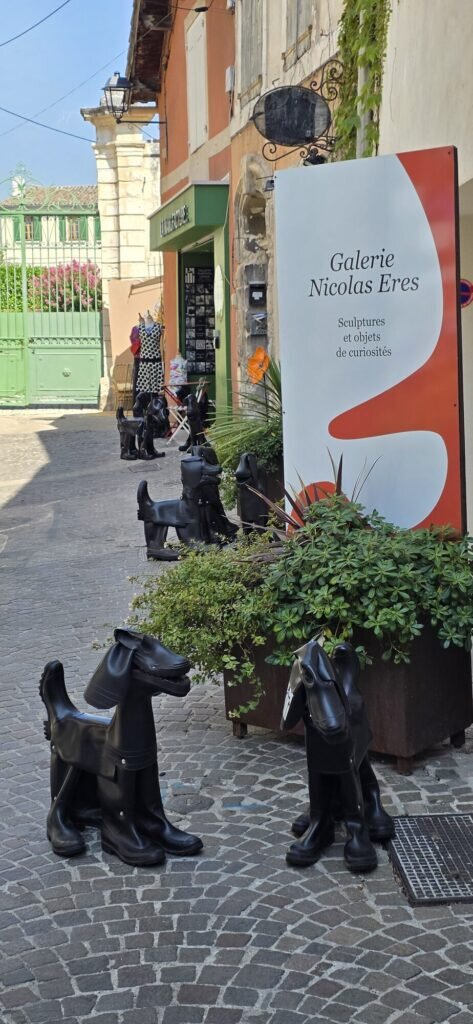
Off the rue de la République there is an impasse, and you would go straight past the mouth of it except for the dogs. They are built out of gumboots. Somebody has stood black rubber boots up in fours, welded a head on and set them along the cobbles like a guard of honour, and you simply follow them. At the end is Galerie Nicolas Eres, sculptures et objets de curiosités. He bends metal into things out of the natural world, and he learned to do it in his father’s agricultural ironwork shop at Carpentras. Every good maker I meet learned the hard bit somewhere else entirely.
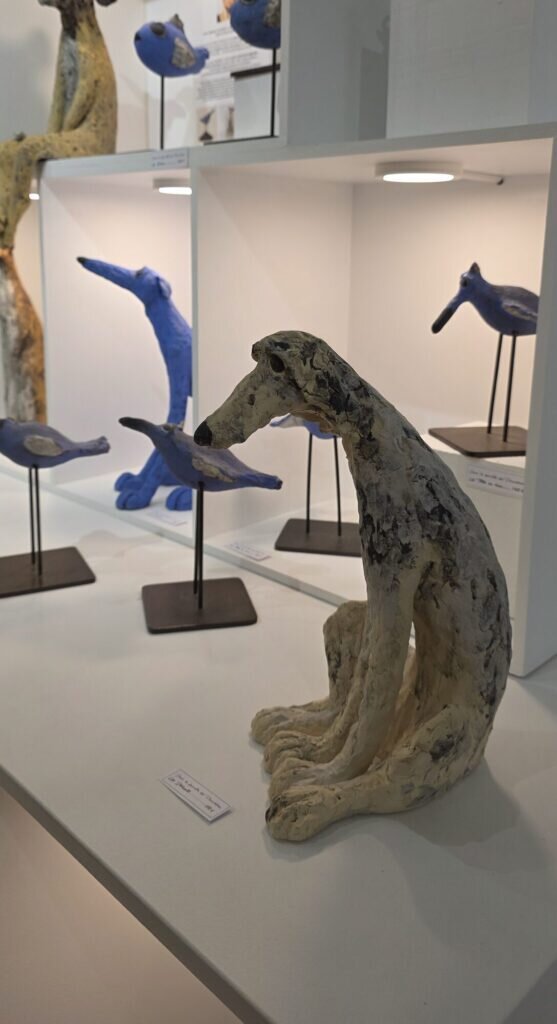
Next door is La Manufacture. Twenty makers, one hundred and eighty square metres, each with their own patch of it. Steel, wire, cloth, leather, paper, clay, glass, silver, wood. Spectacle makers and upholsterers next to painters and ceramicists. And in among it, this fellow. Mo Bleue, who is Monica Lucchese, who works out of Cabriès and calls her creatures Peuchère. Dogs, cats, birds, fish, people. He is made of nothing, he is a bit lumpy, and he is completely and utterly a dog.
Here is what I walked out of that impasse thinking. On my own I am one person carrying one rent and one range. Twenty in one room and there is a printmaker beside a ceramicist beside a woman who makes spectacles, the door opens far more often, and not one of them has changed what they make. Twenty small businesses sharing a floor and a light bill. I have a whole page of numbers now. Ask me the useful part when I am home.
Ink drawings of koalas made by hand in Dayboro. What changed after the 2022 endangered listing, the one that sold, and what is still on the wall.

They come through the gums before a storm and the whole paddock hears them first. Four birds, one flash of red, and the hardest thing I have ever tried to put down in ink.
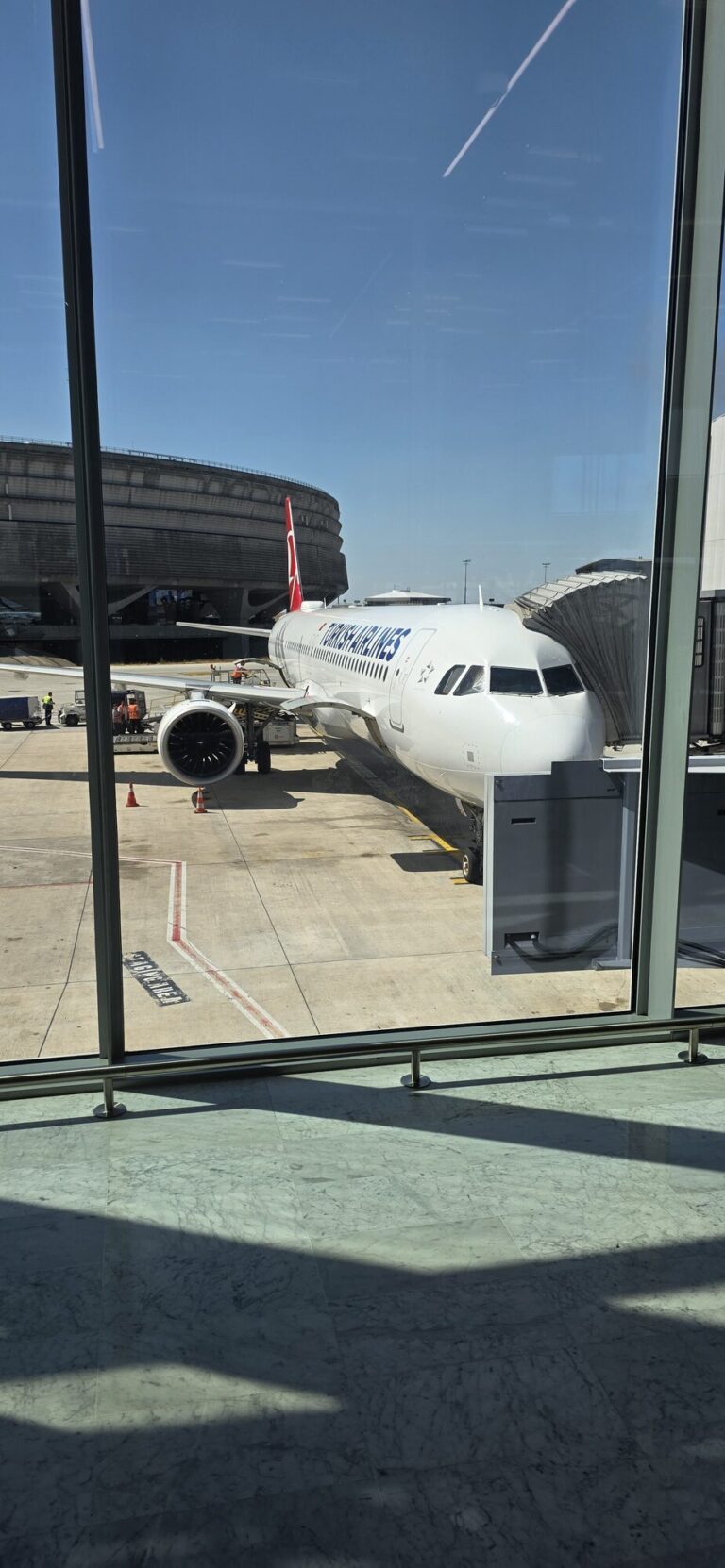
Six weeks, four countries, one full camera. The gate at Charles de Gaulle, a plane pointed at Istanbul, and the long hop home to the studio. Last post from the road.