
Drawing Koalas, Now That They Are Endangered
Ink drawings of koalas made by hand in Dayboro. What changed after the 2022 endangered listing, the one that sold, and what is still on the wall.

At half one I was doing what everybody does here.
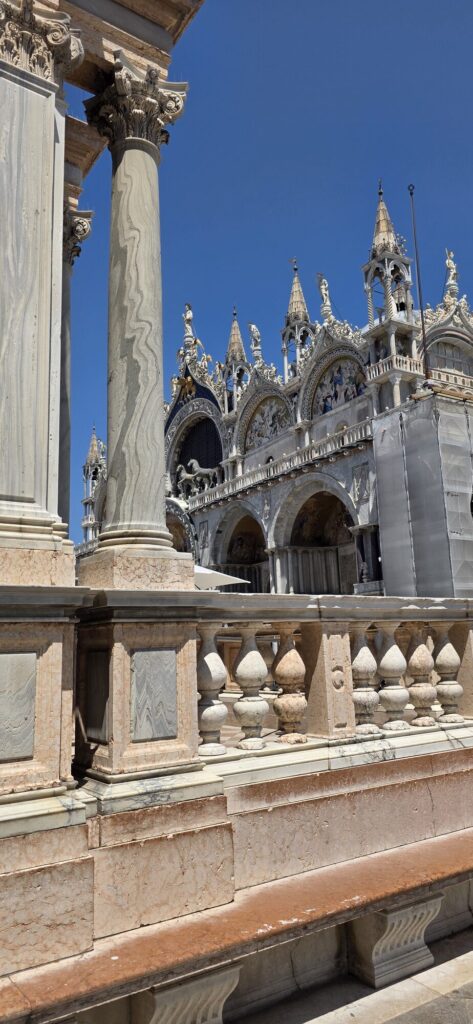
Marble the colour of bacon fat, pinnacles going up like meringue, a sky with nothing in it. There is no arguing with St Mark’s. You stand there with three thousand other people and you all point the same way.
Three hours later I was ten minutes’ walk from that spot, in a Benedictine church in San Polo with almost nobody in it, looking at this.
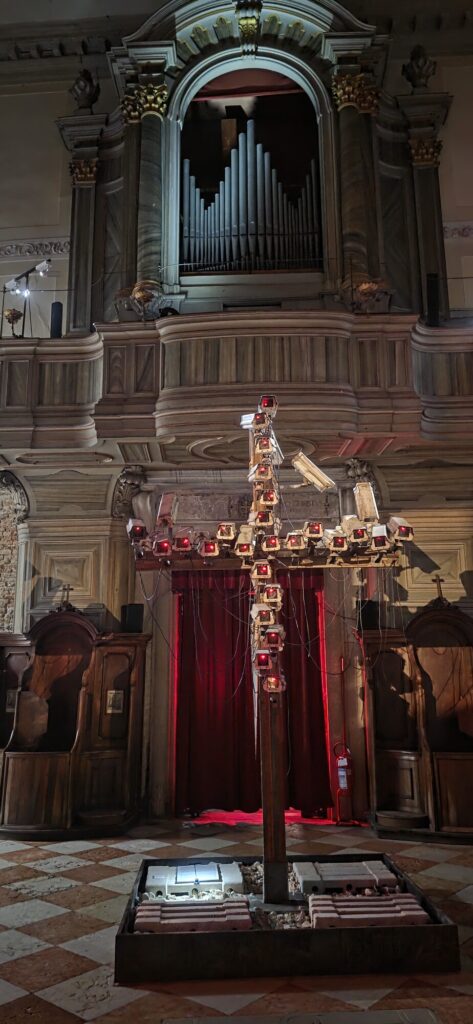
A cross, in a church, in front of the organ, made entirely of security cameras. Dozens of them, all pointing different ways, every one with its little red eye on.
This is “Official. Unofficial. Belarus.” It is a collateral event of the Biennale, curated by Daniella Kaliada with Natalia Kaliada, and it is in a church rather than a national pavilion for a simple reason. It is made by the Belarus Free Theatre, who have been in exile since they were founded in 2005 to work around the censorship, and no authoritarian government is going to hand its own pavilion to the people it drove out.
Daniella Kaliada was first interrogated by state police when she was eight.
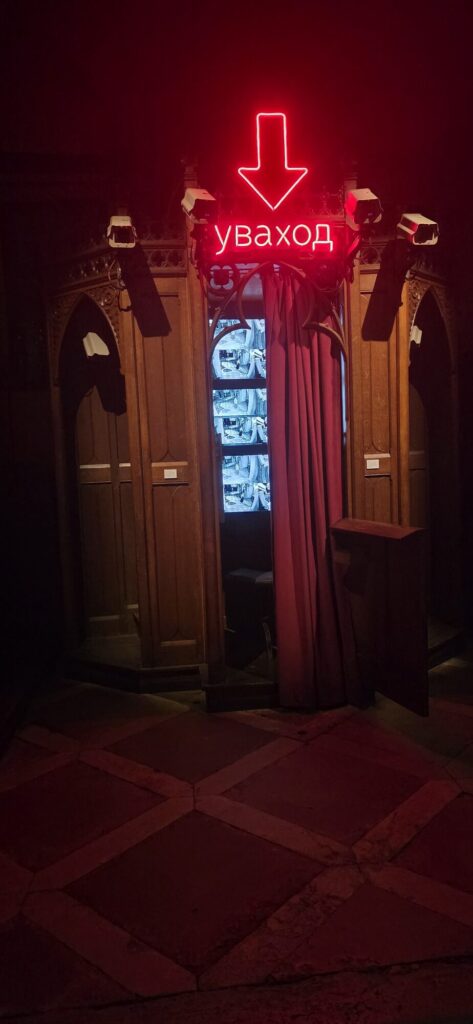
And then the confessional, which is the one that got me.
They have taken a real confessional box, hung a red curtain across it, wired cameras to the woodwork and put screens inside where the priest would sit. The neon says уваход. Entrance, in Belarusian. Arrow pointing down.
Think about what that box was for. You go in, you say the worst thing about yourself out loud to somebody you cannot see, and the deal is that it goes no further. That is the entire contract. And they have kept the shape of it exactly and swapped out what is listening.
I have been going round exhibitions for two weeks now writing notes about mark making and edges and how people hang things. I did not write anything in there. I stood in a dark church looking at a red neon arrow, and then I went back out into the sun and the crowds and the meringue.
There is more in that building than I photographed. Go if you are in Venice before November. It is free, it is ten minutes off the route everybody walks, and it is the only thing at this Biennale that has followed me home.
Ink drawings of koalas made by hand in Dayboro. What changed after the 2022 endangered listing, the one that sold, and what is still on the wall.

They come through the gums before a storm and the whole paddock hears them first. Four birds, one flash of red, and the hardest thing I have ever tried to put down in ink.
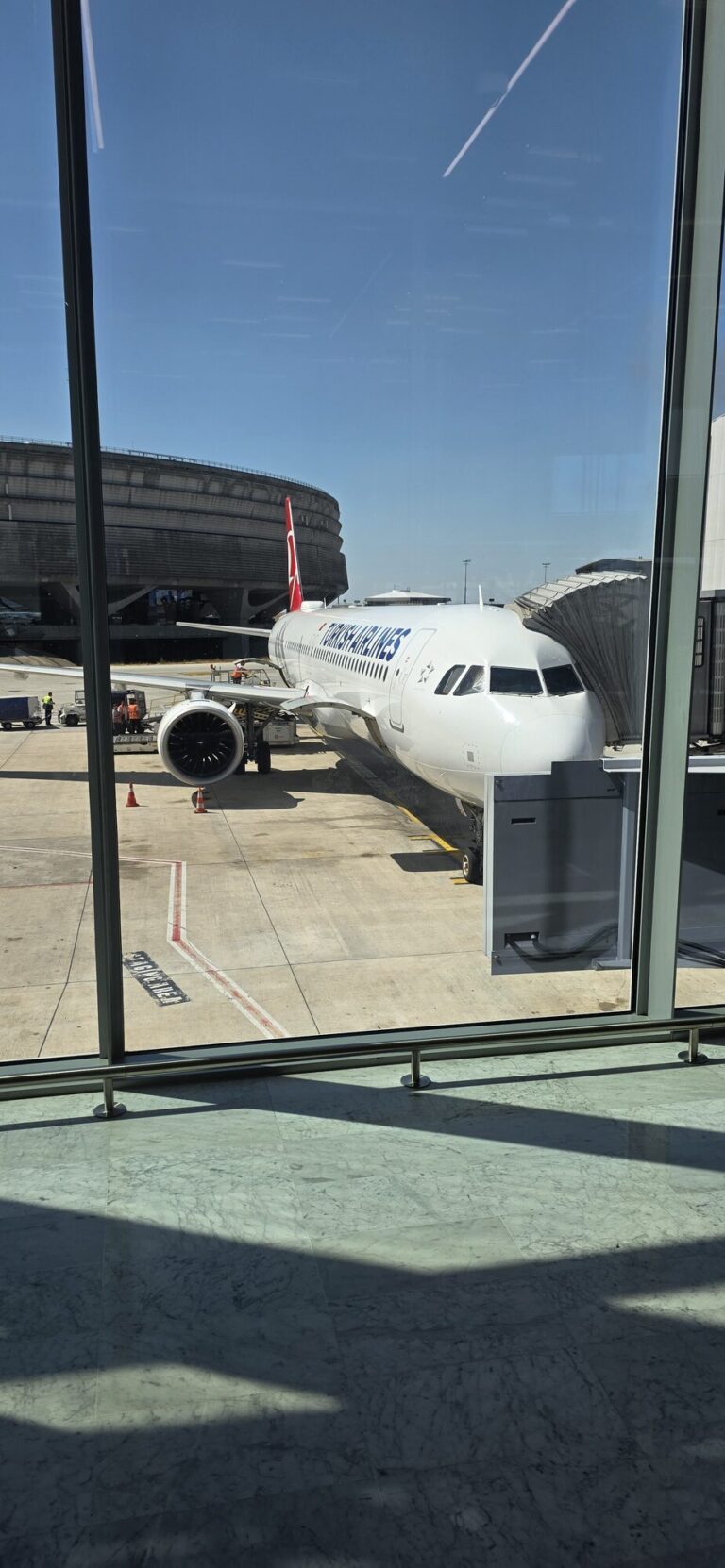
Six weeks, four countries, one full camera. The gate at Charles de Gaulle, a plane pointed at Istanbul, and the long hop home to the studio. Last post from the road.